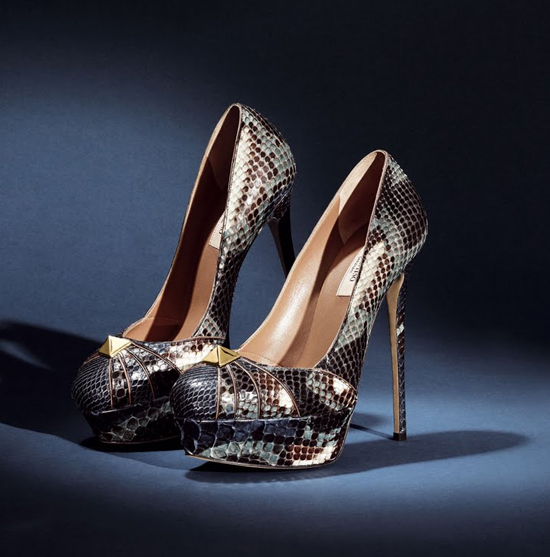
Brand VS Unbranded
Branded products often come with higher price tags due to various factors such as brand reputation, marketing expenses, and perceived value. By opting for unbranded products, customers can potentially save money by avoiding the additional costs associated with branding. Although the absence of branding doesn’t necessarily indicate inferior quality. Unbranded products offer comparable quality at lower prices since they don’t invest heavily in marketing or brand promotion. Customers can find good value for their money by focusing on the actual product quality rather than the brand name.
Unbranded products provide an opportunity for customers to express their unique style and preferences, free from the influence of popular brands. With unbranded items, customers can create their own personal brand and showcase their individuality. Unbranded fashion products provide individuals with the opportunity to express their unique style and creativity. By opting for unbranded items, customers can avoid conforming to popular trends and instead curate their own distinct fashion identity. Unbranded fashion products often offer a wider range of styles, designs, and options to choose from. Without the constraints of a specific brand’s aesthetic, customers have the freedom to explore different looks and experiment with their fashion choices.
Unbranded fashion products often come from smaller, independent, or local manufacturers who prioritize ethical and sustainable practices. By supporting these businesses, customers can contribute to a more sustainable and responsible fashion industry, reducing the environmental impact often associated with mass-produced branded fashion. The production of branded fashion products often involves harmful chemicals and unsustainable practices, leading to significant carbon emissions, water pollution, and waste generation. By choosing unbranded and sustainable fashion options, individuals can contribute to a more environmentally conscious and responsible industry.
Many branded fashion companies outsource their production to low-wage countries where workers often face poor working conditions, long hours, and low pay. By supporting unbranded fashion, you avoid indirectly supporting such unethical practices and contribute to fairer labour conditions. There are several ethical aspects of unbranded fashion, including fair labour practices, transparency in the supply chain, and support for local or independent businesses. Promote the idea that unbranded fashion promotes positive social impact.
Branded fashion companies are not always transparent about their supply chains, making it difficult to know the true environmental and social impact of their products. Unbranded fashion often provides more visibility and accountability, allowing consumers to make informed choices aligned with their values.
In conclusion, the negative effects of unethical fashion production and consumerism on the environment and circular economy are significant, and it’s important to consider the impact of our purchasing decisions on these issues. By advocating for sustainable and ethical fashion options, we can contribute to a more responsible and sustainable industry.